


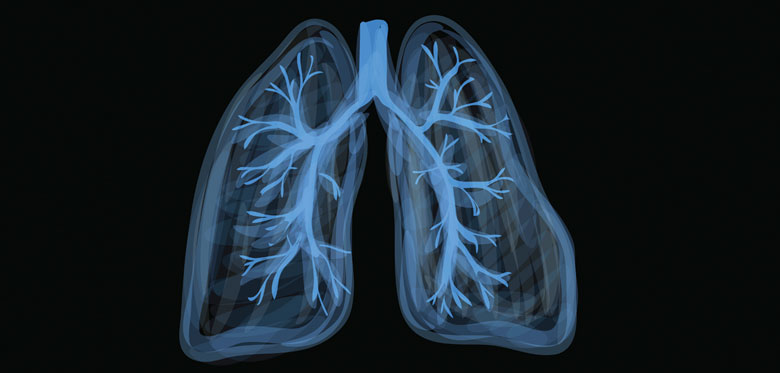
Chronic Obstructive Pulmonary Disease (COPD) is a serious, progressive lung condition that can have a life‑changing impact on individuals and their families. While smoking remains the leading cause, workplace exposure to dusts, fumes and gases is a significant and preventable contributing risk.
According to The Health and Safety Executive (HSE) COPD is the fourth leading cause of death in the world. The disease develops over time, often after prolonged exposure to harmful airborne substances and once it develops the damage to the lungs cannot be reversed. The HSE highlights that work-related exposures account for an estimated 15% of COPD cases and around 4,000 COPD deaths each year could be prevented if harmful exposures were eliminated from the workplace.
Common harmful workplace substances include:
- Silica and mineral dust
- Welding fumes
- Grain and flour dust
- Cadmium dust
- Organic dusts (e.g. agriculture, textiles)
- Asbestos
Industries that carry an elevated risk include: construction, mining, manufacturing, agriculture and foundries, welding, textiles and stonemasonry amongst others. However, there are ways that employers can help to protect their workers and decrease the chances of them developing COPD or other industrial diseases. When employers do not take the correct precautions workers who do go on to develop lung diseases as a result of their work may be eligible to make a claim against them.
How to make a claim against an employer for COPD
To succeed in a workplace COPD claim there are several things that you must be able to prove:
Exposure to harmful substances - you must show that you were exposed to hazardous substances during your employment, such as dusts, fumes or chemicals. Evidence may include your employment history and job roles, risk assessments, witness statements from colleagues and any relevant exposure data.
Breach of duty by your employer - employers have a legal duty under health and safety law to protect workers from known risks. Failure to take steps to protect workers from risks may be classed as negligence. Steps they should take to protect workers include:
- Carrying out risk assessments
- Providing suitable ventilation or extraction systems
- Supplying the correct personal protective equipment (PPE)
- Providing adequate training
- Monitoring employee health
Causation - you must prove that the development or progression of COPD was caused by or was contributed to significantly by workplace exposure to harmful substances. Typical evidence includes medical diagnosis and health records, respiratory reports, occupational health assessments and exposure history. This can be complex as there are other potential causes of COPD, including smoking.
Loss and damage - You must be able to demonstrate how the disease has impacted your quality of life. This includes loss of earnings, medical expenses, care and rehabilitation needs and how the disease has reduced your quality of life.
If you are able to prove that your employer has failed in their duties to protect you from harm, and you have developed COPD as a direct result, you may be able to make a claim for compensation. COPD claims can be long and complex but our industrial disease specialists at Stephensons are dedicated to helping individuals who have developed work-related respiratory diseases. We strive to ensure that you receive the compensation you deserve, while holding negligent employers accountable for their actions to prevent avoidable workplace diseases for others. Call our team today on 0161 696 6235 or fill out our enquiry form to speak to our specialist solicitors.
Comments