


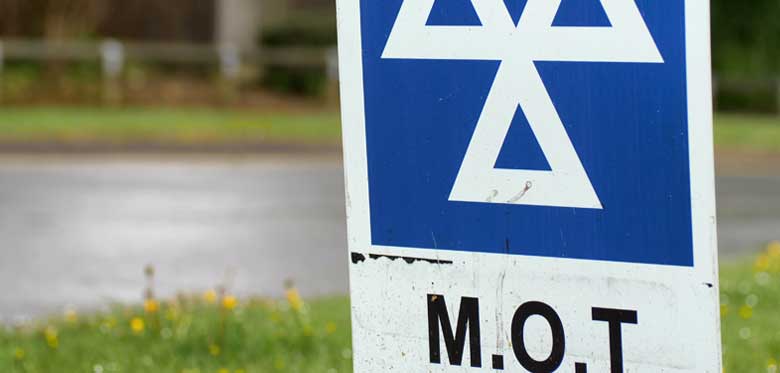
While it is common knowledge that it is a legal requirement for most vehicles on UK roads to have an ongoing valid MOT certificate, there is a growing and dangerous trend emerging at unscrupulous testing sites. Concerningly, fake MOT certificates are being issued without the vehicle ever actually being inspected.
This concerning practice has become increasingly newsworthy over the last several months, not only because of their marketing across several prominent social media platforms, but also due to the exposure generated from the DVSA’s recently implemented trial initiative to put the handbrake on this problem.
While it is well known that a valid MOT certificate is a legal requirement for most vehicles on UK roads, there has been a rise in a concerning trend involving MOT certificates being issued without an actual vehicle inspection taking place. This issue has come to light in recent months, partly due to increased attention on social media and the spotlight from the DVSA’s recent trial initiatives aimed at addressing the problem. Although the vast majority of testing sites operate with integrity and professionalism, these developments highlight the importance of vigilance and continued oversight within the sector to maintain trust and safety.
What is a “ghost” MOT?
As the name implies this is a type of fraudulent activity that involves MOT certificates being issued for vehicles without ever being physically inspected or tested. In more practical terms, the registered keeper of the vehicle will be provided with a certification (Primarily digital) confirming that the car has, at the time of the inspection, met the minimum acceptable environmental and road safety standards. While this may seemingly suggest that the vehicle has been inspected, this test never actually took place and, at the time of the test, the vehicle may never have been in the same location.
Notwithstanding the clear shared public interest consideration in ensuring robust vehicle inspection and upholding of the MOT testing principles, according to recent DVSA statistics, it has been reported that “…ghost MOTs account for nearly 80 per cent of all fraudulent MOTs…”. With this type of illicit activity dominating this sector it is important, now more than ever, that those responsible for the provision of MOTs tests are aware of the risks this presents.
What this could mean for your business as an authorised MOT testing station
Stephensons road transport team are often asked to advise clients with respect to the implications for Authorised Examiners (“AEs”) and for the nominated testers (“NTs”).
At Stephensons, we frequently assist and represent AEs or NTs who are subject to an ongoing investigation and/or disciplinary action. A common example might involve authorised garages unknowingly employing testers who have been issuing ghost MOTs for financial reward and without their knowledge. In such circumstances, an AE maybe under the assumption that all the disciplinary action would fall on the individual conduct the fraud however, this would not be correct.
While such a practice certainly has significant consequences for the tester themselves, the DVSA will often hold the AE to a similar standard of culpability given they are required to ensure sufficient oversight over the management of the authorised testing station by, for example:
Putting adequate systems, plans and resources in place to maintain testing quality standards, to include, as a minimum:
a. Ensuring tests are registered and conducted correctly.
b. Ensuring that all testing procedures and testers are regularly audited to spot any anomalies that might require investigation (such as the number of MOTs processed per day in comparison to the national average)
c. Other requirements such as generally ensuring that the premises complies with the requirements of authorisation;
d. Ensuring appropriate maintenance and reporting procedures are in place; and
e. The frequent completion of assurance checks (often done by an independent third party/trade representative and to be completed at a rate relative to the volume of tests done or any other special circumstances)
What are the potential implications
Undoubtedly when ghost MOTs are issued, there are potentially highly dangerous vehicles operating on public roads placing drivers, passengers, and pedestrians in considerable danger.
Aside from the obvious risk to public safety by testers engaging in this fraudulent activity and not adhering to the integrity of the MOT testing Scheme, there are other practical risks for consideration, including:
• If caught out, the certificate will invariably be revoked and deleted from the system
• It will likely invalidate your insurance if involved in an accident and it is found that you have a fraudulent certificate.
• Drivers who knowingly purchase a ghost MOT certificate can be at risk of being charged with criminal offences including intent to commit fraud
• MOT testers producing these fraudulent certificates can also face both criminal and regulatory action, resulting in MOT testing stations losing their authorisation to test and even resulting in prison sentencing being imposed against testers or business owners who are complicit in these actions
The beginning of a DVSA crackdown?
From February 2025, the DVSA launched a trial initiative in an attempted to strengthen road safety and combat MOT fraud. This trial involved approximately 172 testing stations, which cover varying vehicle classes, and instructed them to provide physical images of the vehicle in the testing bay, at the time of inspection, in order to receive their certification. The DVSA required clearly visible pictures of the front and/or rear end of the vehicle, with the registration plate distinguishable. Such images would then be uploaded to the DVSA website to be secured safely in the MOT Testing Service (“MTS”).
Given this trial found there to be no significant impact on overall testing times for the garages, it has been publicly concluded that this experiment was a success, with the DVSA Head of MOT policy commenting that “The trial has shown real promise so far – we’re excited to roll it out further.”
While no permanent revision to the current testing practice has been made as of yet, given this is certainly an area that needs tackling, it is reassuring that there appears to now be a sign of meaningful progress when it comes to preventing ghost MOTs.
Our specialist road transport solicitors understand and appreciate that, for garages in the UK, the income generated through MOT testing is imperative to the continuation of their business; as well as the subsequent confusion and distress that our clients face when presented with allegations of being involved or associated with the provision of ghost MOTs.
Appointing expert solicitors in this field may help you in terms of avoiding cessation of authorisation or further criminal action. For guidance on the MOT disciplinary process, your responsibilities as an AE or NT, or for advice and assistance in the face of criminal or regulatory investigation, call our specialist solicitors on 0161 696 6250 or complete our online enquiry form and we will contact you directly.
Comments