

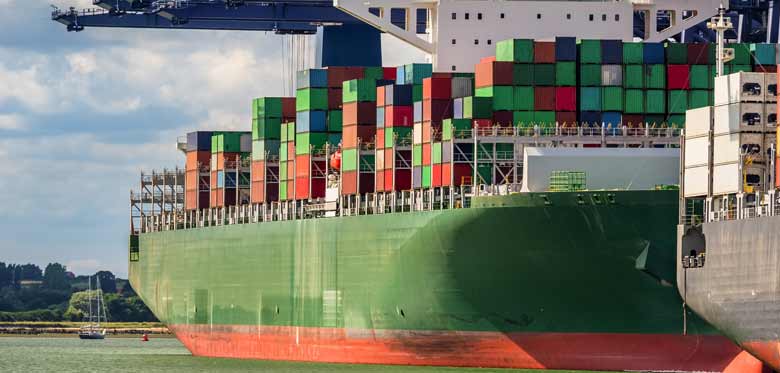
Recent reports and frontline evidence point to a growing challenge for the UK’s food safety and regulatory landscape: the influx of illegal foreign food products entering the country and, in many cases, finding their way directly onto high streets, markets and restaurant supply chains.
For businesses operating in the food sector, and for consumers who rely on robust safety standards, this trend raises serious concerns.
A sharp increase at the border
The scale of illegal imports has grown dramatically over the past two years. Data from the Dover Port Health Authority shows just how significant the increase has been. In January 2025, illegal meat seizures at Dover surged by 5,500% compared to 2023, rising from 400kg to 22 tonnes in a single month.
This rise in illegal imports is not an isolated criminal issue; it appears to be contributing to a significant increase in foodborne illness across the UK. These products often bypass temperature controls, hygiene standards and veterinary checks, increasing the likelihood that they carry dangerous bacteria, viruses or parasites.
Much of the surge has been linked to weaknesses in the post‑Brexit Border Target Operating Model (BTOM).
Port health officials argue that auto‑clearance systems and reduced physical checks on certain EU goods have unintentionally created opportunities for illegal imports to slip through undetected.
The call for reform
There is growing pressure on the government to strengthen the UK’s border enforcement and regulatory oversight.
Recommendations from regulators and MPs include:
- Introducing immediate fines and prosecutions for repeat offenders.
- Increasing funding to port health authorities to restore full inspection capabilities.
- Implementing stronger deterrence measures, including the potential to confiscate and crush vehicles used for smuggling.
What this means for food businesses
For businesses across the food supply chain—from importers and wholesalers to restaurants and retailers, the rise in illegal food imports underscores the importance of robust due diligence.
Companies should:
- Review their supply chain checks carefully
- Ensure all food sources are fully traceable
- Verify compliance documentation from suppliers
- Be prepared for increased scrutiny from regulators
Selling or handling illegally imported food, even unknowingly, could expose businesses to enforcement action, reputational damage and operational risks.
How Stephensons can help
At Stephensons, our regulatory law specialists advise businesses on the full spectrum of food safety and compliance matters. We support clients with:
- Navigating import and food hygiene regulations
- Responding to investigations by port health teams or local authorities
- Managing enforcement action
- Strengthening internal compliance and risk management systems
If your organisation is concerned about supply chain risks or wants to ensure compliance with the latest standards, our team is here to help. Contact Stephensons today on 0161 696 6250.
Comments