


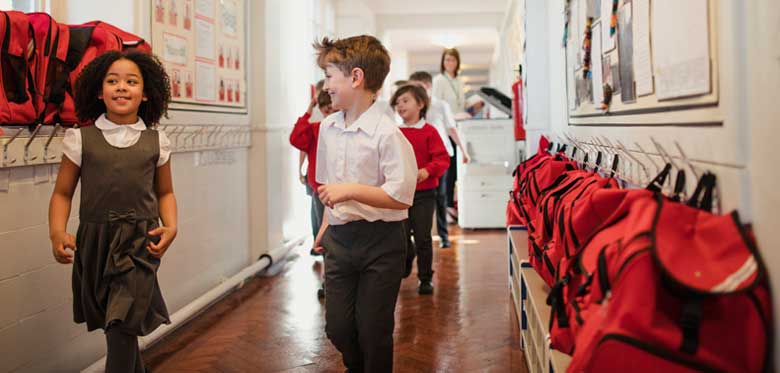
Whilst children are at school, they are naturally active - running around, climbing and playing which can result in them potentially falling or bumping into each other. Most incidents are minor, but head injuries can sometimes be serious. It’s important to know what to look for and recognise the symptoms of a head injury in children.
A concussion is a type of mild traumatic brain injury that occurs when the brain is jolted inside the skull. Symptoms can appear immediately or develop over hours or days. Children can may sometimes struggle to explain how they feel, so even minor incidents should be taken seriously.
Head injuries at school often happen from slips or trips on wet or uneven surfaces, falls from playground equipment, collisions during sports or PE or accidental bumps during unsupervised play. Sometimes, defective equipment or hazards can contribute.
What are the signs to watch for?
Children may show physical, emotional or behavioural signs after a head injury. These can include:
- Headaches, dizziness or feeling off balance.
- Nausea or vomiting.
- Blurred vision or sensitivity to light.
- Confusion or difficulty concentrating.
- Unusual tiredness or changes in sleep pattern.
- Irritability, mood swings or unusual behaviour.
In more severe cases, symptoms such as loss of conscious, seizures or slurred speech would be visible. It is advised to seek medical attention as an emergency if your child displays any of the severe symptoms and, in any event, medical attention should be sought for a child displaying any head injury symptoms.
Does the school have any responsibility?
Schools have a duty of care to ensure children are reasonably safe during the school day. They should ensure that play and physical activities are supervised adequately, that equipment and the premises is maintained, that any incidents are recorded, that parents or carers are notified of any incidents, and they should arrange medical care if needed.
Often falls at school are genuine accidents but if a head injury occurs at school due to negligence, such as inadequate supervision or unsafe premises, the school or its insurers could be held responsible.
How can I support my child during their recovery?
Helping your child recover involves:
- Providing plenty of rest and a calm environment.
- Avoiding activities that risk another incident to the head or require intense concentration.
- Monitoring symptoms and communicating with the school.
- Seeking professional support.
Even minor head injuries in children should not be overlooked. Recognising and monitoring the symptoms can make a difference. If you believe your child’s injury could have been prevented and is due to negligence at school, our specialist personal injury solicitors are on hand to guide you through the process of making a claim, call us on 0161 696 6235 or complete our online enquiry form.
Comments