


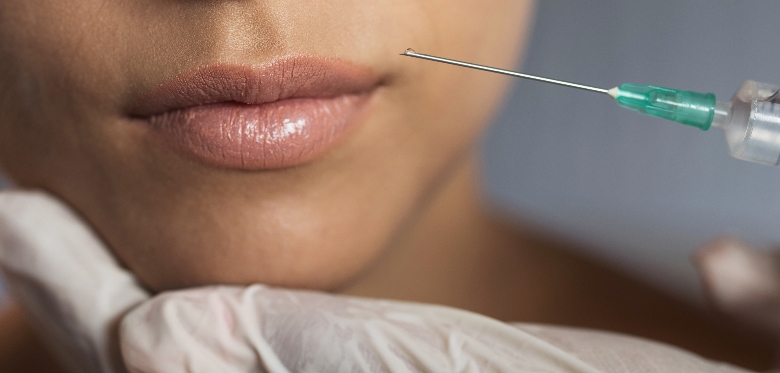
Cosmetic treatments like Botox have become very popular in recent years. Many people see them as a quick and easy way to boost confidence. Botox is now widely available and often marketed as a quick, affordable way to look younger.
With this rise in demand comes a worrying increase in fake and unsafe Botox products. A recent story reported by the BBC highlighted just how dangerous this can be. A woman was left seriously ill after being injected with Toxpia, a bogus version of Botox which is not licensed in the UK. Her experience is a warning of the real risks people face when treatments are carried out by unqualified practitioners or with unsafe products.
What happened in the Toxpia case?
The lady who was 36 years old, thought she was having a routine anti-wrinkle treatment. Instead, she was injected with Toxpia, an unapproved product imported from abroad. Soon after, she developed life-threatening symptoms of botulism and needed intensive care in the hospital. She is still living with health problems caused by the injections.
What is fake Botox?
“Fake Botox” refers to products that are either counterfeit, which are imitations of genuine Botox imported illegally and not licensed for use in the UK, or mishandled Botox products, which are genuine Botox injections that have been stored, transported or administered incorrectly.
Why is this happening?
The lack of regulation is an issue as, unlike hospitals or GP surgeries, many aesthetic treatments take place in salons or even at “Botox parties” in clients’ homes, where there is very little oversight. Counterfeit products are being sold online and are being used by people without proper training. People are also getting cheap deals on treatments, which can be tempting, but they often carry the greatest risk.
What are the dangers?
Fake Botox can cause serious and long-lasting harm. Some of the risks include:
- Blurred or double vision
- Drooping eyelids
- Trouble speaking, swallowing or breathing
- Muscle weakness and paralysis
These symptoms are linked to botulism, which is a rare but dangerous condition caused by exposure to unsafe toxins.
What should you do to protect yourself?
If you are considering cosmetic treatment, here are some key steps to reduce your risk:
- Check your practitioner – make sure they are medically qualified, insured and trained.
- Ask about the product they are using – genuine Botox should only come from licensed suppliers. Don’t be afraid to ask to see the packaging or evidence of purchase.
- Trust your instincts – Botox should never be given at “Botox parties”, beauty salons without medical oversight, or by unqualified individuals. If a deal seems too good to be true, it probably is!
Can you claim compensation?
If you have been harmed by a cosmetic procedure, you may be able to bring a personal injury claim. This could cover the pain and suffering caused by the treatment, any loss of earnings if you had to take time off work, and the medical costs and ongoing care needed.
The recent case involving Toxpia shows how dangerous fake Botox can be. If you have been affected by unsafe cosmetic treatment, our specialist personal injury team can help you explore your options and claim the compensation you deserve. Please do not hesitate to contact our personal injury specialists on 0161 696 6235 or complete our enquiry form, and a member of our team will be in touch as soon as possible.
Comments