


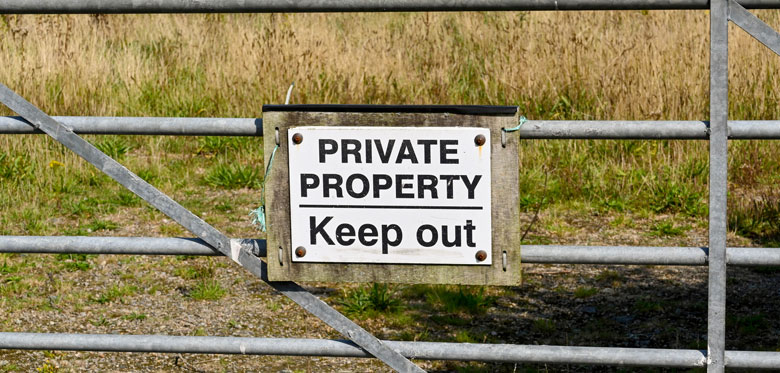
Boundary disputes between neighbours can often become complicated, emotionally charged, and difficult to resolve. Whether you are a homeowner or a business owner, clearly-defined boundaries are essential to avoiding unnecessary conflicts and ensuring the harmonious use of your property. As legal practitioners specialising in property law, we understand the complexities involved in boundary disputes, and this article aims to guide you through the essential steps to effectively resolve such disagreements.
Understand your boundaries clearly
Resolving boundary disputes begins by clearly establishing the legal boundaries of your property. Obtain a copy of your property deeds, available from the Land Registry, and review any attached maps or plans which indicate the boundaries. It is important to ensure the accuracy of these documents by cross-referencing with historical records or previous conveyancing documents, if available. Clarifying property boundaries through reliable documentation is often the first step toward resolving any dispute.
Engage in amicable communication
Misunderstandings can often escalate boundary disputes unnecessarily. Attempting amicable communication with your neighbour can help to resolve issues before they become acrimonious. Approach your neighbour politely and discuss your concerns with a positive intent to reaching a mutually acceptable solution. Communication should always be respectful and clear, avoiding language or behaviour that might further inflame the situation.
Seek professional surveyor assistance
If informal discussions do not lead to resolution, consider involving a Chartered Surveyor. Professional surveyors can carry out accurate property boundary assessments and provide an impartial report on boundary locations. Such independent assessments are commonly accepted by all parties involved and can often lead to quick and efficient resolutions without further escalation.
Consider mediation services
Mediation is an alternative dispute resolution method which involves a neutral third party assisting you and your neighbour in reaching a voluntary agreement. In the UK, mediation is often quicker, more cost-effective, and less stressful than traditional litigation. Professional mediators handle disputes sensitively, allowing both parties to voice their concerns and explore workable compromises.
Engage a property solicitor
If mediation does not facilitate resolution, seeking legal advice from a qualified property solicitor becomes necessary. Solicitors experienced in property disputes can advise on your legal rights, communicate formally with your neighbour on your behalf, and represent you in court if litigation becomes unavoidable. Engaging legal expertise early can help minimise stress and costs involved in a prolonged dispute.
Court proceedings as a last resort
Initiating litigation should always be the final step. Courts actively encourage neighbours to exhaust all other dispute resolution methods before presenting a boundary dispute in court. If litigation does become necessary, ensure that you have an experienced solicitor who understands the complexities of land disputes and can effectively present your case to safeguard your interests.
Resolving boundary disputes requires patience, understanding, and professional guidance. Whether through amicable negotiation, professional surveying, mediation, or the skilled advice of a solicitor, the goal should remain a fair resolution with minimal conflict and disruption. You can contact Stephensons today on 0161 696 6178 to speak with our specialist solicitors.
By clearly understanding your rights, engaging in proactive communication, and seeking professional assistance promptly, boundary disputes can usually be resolved in an effective and efficient manner.
Comments