


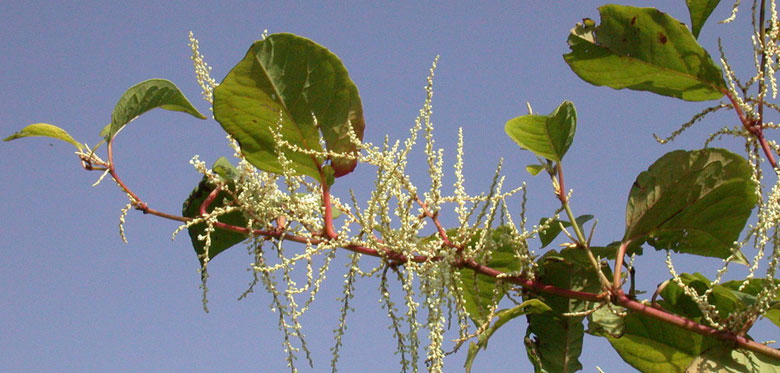
When contemplating the purchase of property, you may encounter various unexpected issues that could influence your decision. One particularly challenging scenario for potential buyers is discovering Japanese knotweed on or near the property.
Japanese knotweed is an invasive, non-native plant species that can significantly diminish property value and complicate professional conveyancing processes. Due diligence and understanding how this issue impacts property transactions are essential for safeguarding your investment.
Identifying Japanese knotweed and its implications
Japanese knotweed is known for its aggressive nature and rapid reproduction rate. During warmer months, this invasive species can spread up to several metres, disrupting infrastructure, damaging foundations and negatively affecting the structural integrity of buildings.
Its distinctive bamboo-like stems can penetrate concrete, tarmac, brickwork and drainage systems, causing significant and costly damage. Because of these severe impacts, mortgage lenders often regard properties affected by Japanese knotweed with considerable caution.
Understanding your legal obligations and potential risks
When buying a home, it is imperative that prospective buyers thoroughly investigate the presence of Japanese knotweed. Sellers and estate agents are legally obliged to disclose the existence of knotweed on the property in the TA6 property information form.
Should a seller knowingly conceal the presence of this invasive plant, they could potentially be exposed to litigation and financial liability post-sale.
As a prospective buyer, failing to conduct sufficient due diligence regarding knotweed could affect your mortgage application. Lenders may refuse financing altogether or demand a detailed knotweed management strategy to be in place as a condition of lending.
Therefore, ignoring or underestimating this issue is never advisable.
Navigating mortgage applications with Japanese knotweed
Many mortgage providers adhere strictly to guidelines established by the Royal Institution of Chartered Surveyors (RICS). These guidelines classify the risk posed by Japanese knotweed into distinct categories, ranging from minimal to substantial. Depending upon the severity of infestation and proximity to the property, mortgage providers may require a comprehensive management plan provided by professional knotweed treatment specialists before approving a loan.
Engaging a qualified chartered surveyor to obtain a detailed inspection report is crucial. This report will ascertain the level of infestation, providing clarity and transparency for both the buyer and the lender. Such measures will help facilitate a smoother mortgage application and protect your interests.
Professional Japanese knotweed treatment plans
Should you decide to proceed with purchasing a property affected by Japanese knotweed, it is essential to secure an approved treatment and management plan. Professional remediation companies will assess, eradicate and manage the plant's presence, typically issuing insurance-backed guarantees. These guarantees are usually mandatory for mortgage approval and serve to protect buyers from future financial liabilities resulting from a recurrence of knotweed growth.
Approaching the purchase with caution and diligence
Buying a house affected by Japanese knotweed requires careful consideration, thorough investigation and professional advice. If approached responsibly, such a property purchase can still be viable, provided you secure a robust knotweed management plan and proper legal guidance.
For assistance navigating the complexities of buying a property affected by Japanese knotweed, consider seeking professional legal advice from experienced conveyancing solicitors, who can help you make a well-informed and protected investment decision.
Comments