


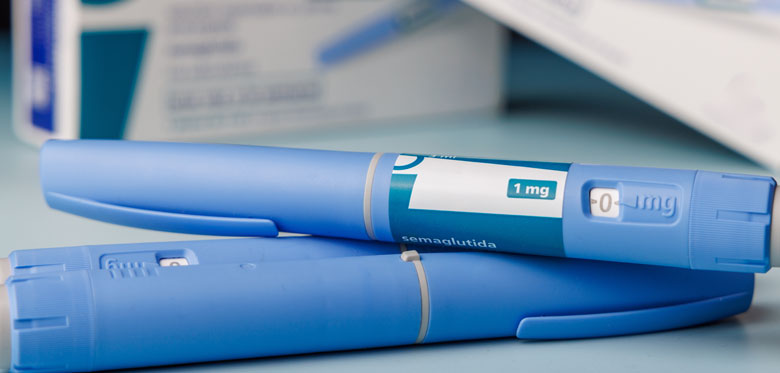
The demand for GLP-1 weight loss medications popularly known by brand names like Wegovy, Mounjaro, and Ozempic has transformed the weight-management market. Such medications were primarily used to treat Type 2 diabetes, but these self-administered injections have quickly become household names across the UK.
However, as clinical negligence lawyers, we are increasingly concerned by the darker side of this phenomenon.
The overwhelming demand for these drugs has led to a significant surge in improper prescribing practices, leaving many patients with severe, and avoidable health complications.
If you or a loved one were prescribed a weight-loss medication without proper medical vetting or monitoring, here is what you need to know about your rights.
Improper prescribing
GLP-1 medications are highly regulated, powerful prescription drugs that alter metabolic and digestive functions. Any healthcare provider whether an NHS GP, a private clinic, or a digital online pharmacy owes you a strict duty of care when issuing them.
The following examples give rise to medical negligence claims:
Inadequate patient screening - The General Pharmaceutical Council provides strict rules regarding pre-prescribing checks. Despite this, some online providers have issued prescriptions based on unchecked email questionnaires or self-submitted photographs. This has allowed vulnerable individuals, including those struggling with eating disorders, to unsafely obtain the drug.
Failure to check medical history - Prescribers must rule out critical contraindications. Failing to verify a patient's history regarding thyroid conditions, kidney function, or concurrent medications (such as the contraceptive pill) constitutes clear clinical negligence.
Lack of informed consent - Patients must be explicitly warned about the potential risks. If a clinician downplayed known complications or failed to outline severe side effects before you started the treatment, they have failed to obtain informed consent.
Zero follow-up care - GLP-1 medications require ongoing clinical oversight to monitor side effects and adjust dosages safely. Handing over a prescription and cutting off clinical contact leaves patients dangerously unprotected.
Severe risks if left unmonitored
While mild nausea or digestive discomfort can be standard side effects, improper screening and lack of oversight have caused patients to suffer far more catastrophic, long-term health crises sich as
Acute Pancreatitis - A severe, potentially life-threatening inflammation of the pancreas that has resulted in emergency hospitalisations and intensive care stays.
Gastroparesis (stomach paralysis) - A debilitating condition where the stomach cannot empty itself normally, leading to chronic vomiting, severe abdominal pain, and malnutrition.
Severe psychological impacts - Heightened anxiety, depression, and dangerous complications for patients with pre-existing body dysmorphia or eating disorders.
Who is accountable?
Many patients mistakenly believe that because they bought the drug from an online provider or private clinic, they cannot seek justice if something goes wrong. This is not correct, you can pursue a clinical negligence claim against any provider who breached their duty of care, including:
Online and digital prescribers - Internet pharmacies are bound by the same strict UK prescribing standards as a traditional doctor and must hold valid professional indemnity insurance.
Private aesthetic and weight-loss clinics - Private doctors or pharmacists are directly accountable if their assessment protocols fell short of reasonable medical standards.
The NHS - If an NHS Trust or GP prescribed the medication without conducting the necessary checks or managing your side effects appropriately.
How our medical negligence team can help
Proving negligence in prescription drug cases requires substantial medical evidence, expert testimony, and a deep understanding of evolving pharmaceutical regulations.
If you or a loved one has suffered severe physical or psychological harm due to poorly managed or improperly prescribed weight-loss injections, you may be entitled to compensation for your pain, suffering, and any financial losses (such as medical bills or lost earnings). Our leading team of medical negligence experts are on hand to offer advice, so please get in touch with us on 0161 696 6165 or complete our online enquiry form and we will contact you directly.
Comments