


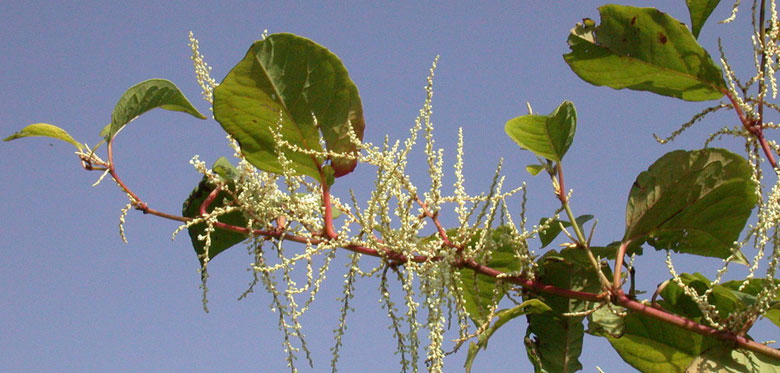
Japanese knotweed is a highly invasive plant species that can cause considerable damage to property and can be challenging to eradicate once established. If you suspect or have confirmed that your neighbour has Japanese knotweed on their property, it is essential to take prompt and appropriate action to protect your home and prevent significant financial and legal consequences.
Identify the Japanese knotweed correctly
Before proceeding with any action against your neighbour, you should first ensure you have identified the plant correctly. Japanese knotweed is easily distinguishable by its heart-shaped leaves, tall, bamboo-like stems, and clusters of small white flowers during the late summer months. Accurate identification is essential because incorrect accusations can lead to unnecessary disputes and complications.
Communicate politely with your neighbour
Approaching your neighbour calmly and politely is the advisable first step. Express your concerns clearly and provide evidence of the infestation, such as photographs or reports. Your neighbour may not be aware that Japanese knotweed is present, or may lack an understanding of the potential implications. Maintaining a cooperative and respectful dialogue can often lead to amicable solutions without the need for formal legal intervention.
Understand your legal responsibilities and rights
Under English and Welsh law, Japanese knotweed is categorised as controlled waste according to the Environmental Protection Act 1990. It is illegal to allow it to spread into neighbouring properties. Landowners have a duty to manage and control this invasive plant.
If your neighbour fails to address the infestation, they may become liable for damage caused to your property or a decrease in your property's value. It is advisable to document all communications and keep evidence to support your case, should legal action become necessary.
Seek expert assistance from professionals
If communication fails to yield positive results, professional advice and assistance are essential. Hiring a qualified surveyor or specialist in invasive plant species can help assess the damage and provide a detailed report.
You may also consider engaging a legal expert experienced in residential property disputes. Law firms specialising in property law can offer guidance on how best to approach your neighbour and may facilitate mediated discussions or formal legal proceedings if required.
Take legal action if necessary
If all avenues of informal negotiation and discussion have failed, litigation may become inevitable. A solicitor specialising in property disputes will advise you on the potential legal remedies available. These can include claims for injunctions to remove the Japanese knotweed in nuisance or damage to your property, as well as compensation for any loss in your property's market value due to the infestation.
Conclusion
Managing the presence of Japanese knotweed on a neighbouring property demands careful handling and awareness of your legal rights and obligations. Prompt action can prevent extensive damage and costly disputes. If you require further assistance or guidance regarding this issue, contact our specialist solicitors today on 0161 696 6178 who can provide tailored, professional advice tailored to your circumstances.
Comments