


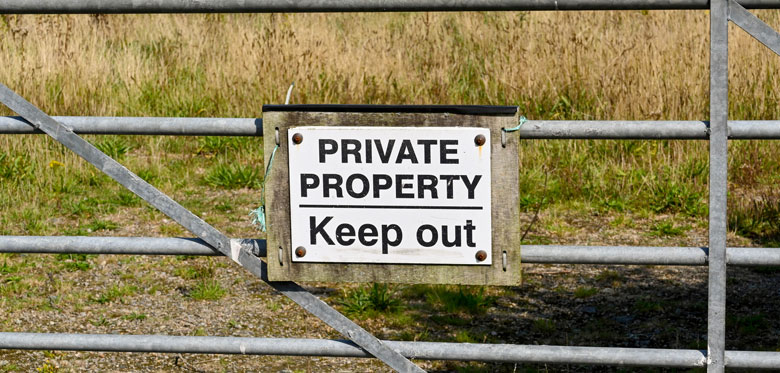
A right of way easement is a commonplace yet integral component of property law in England and Wales. It affords individuals or entities permission to access or pass through land owned by another, typically for specific purposes such as accessing adjacent properties, maintaining utilities, or facilitating public thoroughfares.
For property owners, understanding the precise nature, extent, and legal implications of right of way easements can help prevent disputes, clarify property responsibilities, and ensure compliance with existing property laws.
Defining a right of way easement clearly
A right of way easement can be succinctly defined as a legally binding agreement granting an individual or organisation the entitlement to pass through or utilise another party’s privately owned land. Importantly, the existence of such an easement does not grant ownership of the land itself; rather, it provides limited use rights. Typically, these rights are defined clearly within the agreement or established through historic usage sometimes documented in the land's title deeds.
The creation of right of way easements
Right of way easements are commonly created through express agreements between parties, which are clearly documented and detailed within property deeds or contracts. However, they may also arise through historical usage, known legally as easements created through prescription. Prescription occurs when access to another’s land has been utilised openly and without interruption for a continuous period, typically at least 20 years. Such easements can become enforceable under established common law practices in England and Wales. The court may also imply a right of way over land in other circumstances and each case needs to be considered on it’s own facts.
Understanding the legal responsibilities and rights involved
Once a right of way easement exists, it comes with defined responsibilities for both the landowner and the beneficiary of the easement. The dominant landowner (the party benefiting from the easement) must ensure that their use of the easement is consistent with the original terms and does not unduly burden the servient property (the land through which the easement passes).
Conversely, the servient landowner is usually obligated to respect the established rights and avoid actions that would obstruct or interfere with the easement's usage.
Resolving disputes over right of way easements
Disputes over easements frequently arise due to misunderstanding or ambiguity regarding the scope and limitations of the easement rights. Common issues include disputes concerning the extent of use, maintenance responsibilities, or attempts by either party to alter or restrict easement access.
To resolve such issues effectively, parties may consider mediation or legal advice to clarify their rights and, if no resolution can be found, resort to formal litigation.
Importance of legal consultation for right of way easements
Given the potential complexities involved, property owners or prospective buyers who face questions about an easement would benefit significantly from specialist legal advice. Qualified property solicitors can expertly interpret property deeds, contracts, and historic documentation to clearly explain easement rights and stipulations.
Such informed legal guidance helps to pre-empt disputes, ensures property rights are clearly understood, and maintains positive neighbourhood relationships while preserving property values and interests.
In conclusion, a right of way easement is an essential and legally significant aspect of property ownership and use. Ensuring clarity, compliance, and proper management of these easements will help protect your interests and minimise legal risks. Contact us today on 0161 696 6178 to speak with our specialist solicitors.
Comments