


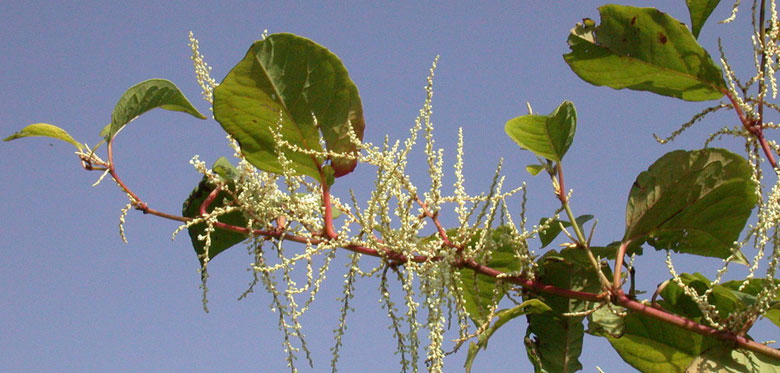
Understanding Japanese knotweed and its implications
Japanese knotweed, scientifically known as reynoutria japonica, presents a significant challenge for property owners across the UK. Notorious for its rapid growth and resilience, knotweed is more than just an invasive plant; it can substantially reduce a property's value and impede the conveyancing process if not adequately managed.
Therefore, when considering selling a property affected by Japanese knotweed, it is essential to understand the legal and financial implications thoroughly before proceeding.
The legal standpoint – your responsibilities as a seller
From the perspective of English and Welsh property law, sellers are required to disclose fully and accurately any known issues affecting their property. Under the Law Society's current TA6 Property Information Form, the presence of Japanese knotweed must be clearly stated.
Failure to disclose knotweed accurately, or failure to answer truthfully questions about it, can potentially lead to future legal disputes, financial losses, and reputational damage. It is crucial to approach the situation transparently and proactively, thereby protecting yourself legally from any claims by potential buyers or subsequent property owners.
The impact of Japanese knotweed on property valuation and marketability
Japanese knotweed is known to have potential to undermine structural integrity, damage drainage systems, and impact foundations, consequently affecting the market value of affected properties considerably. Mortgage lenders can view knotweed as a serious concern, potentially leading to difficulties for buyers obtaining finance.
It is, therefore, important to acknowledge and manage these factors proactively. Ensuring that you have fully investigated and managed the knotweed problem professionally can significantly mitigate the impact upon the property's marketability and inherent valuation.
Managing Japanese knotweed professionally before a sale
Employing specialist contractors trained in the removal and control of Japanese knotweed can significantly ease the selling process. Typically, buyers and mortgage providers require a professional treatment plan with an insurance-backed guarantee.
Engaging qualified professionals to effectively manage and document knotweed treatment provides greater reassurance for buyers and supports smoother property transactions.
Demonstrating your proactive and responsible handling of the knotweed issue will improve buyer confidence, making your property more appealing despite the initial knotweed presence. An insurance-backed guarantee should automatically transfer to any new owner of the property.
Ensuring accurate documentation and disclosure during your sale
When selling a house impacted by knotweed, clear documentation of the problem and the solutions implemented constitutes an essential component of the sale process. Sellers should obtain detailed reports conducted by professional knotweed specialists, outlining the extent of the infestation, recommended treatments, and the ongoing monitoring measures planned.
Provision of such documentation during conveyancing illustrates a responsible management approach towards knotweed and helps safeguard the transaction from complications arising from inadequate disclosure.
Final considerations when selling a property with Japanese knotweed
In conclusion, selling a property affected by Japanese knotweed requires diligence, transparency, and usually professional intervention. Understanding your legal responsibilities and proactively addressing the issue can minimise complications and ensure the transaction proceeds as efficiently as possible.
Early engagement with specialist professionals and clear disclosure throughout conveyancing remains the most prudent approach, reinforcing buyer confidence and facilitating a successful property sale. Contact us today on 0161 696 6178 to speak to our specialist solicitors.
Comments