


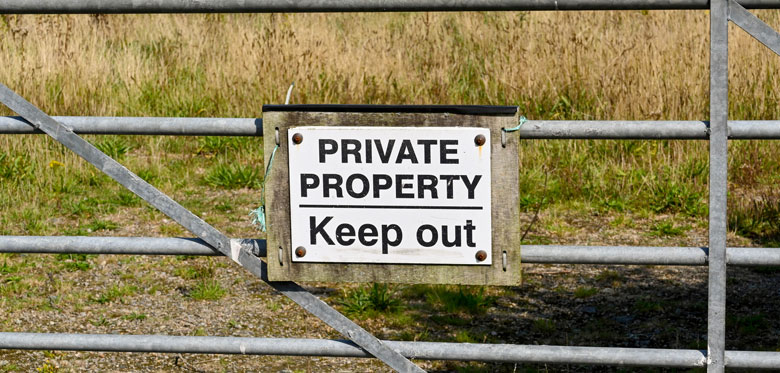
Right of way rules on private property frequently cause confusion and disputes among property owners, tenants, and visitors. Understanding these regulations clearly is vital, as not only can it prevent grievances between neighbours, but it also helps to avoid potential legal conflicts.
What constitutes a right of way?
A right of way is a legal entitlement allowing individuals or organisations access to cross another person's land. This entitlement typically arises through explicit agreements or longstanding usage. Rights of way on private property are normally documented within the deeds of the land or through conveyancing contracts.
Legal professionals recommend careful examination of these documents to determine precisely what rights have been granted and their limitations.
Types of rights of way on private property
The two most common forms of private rights of way are easements and permissive pathways. Easements are permanent rights that run with the land and cannot easily be revoked once established. They are generally recorded within the property deeds.
Permissive pathways are informal arrangements granted by a landowner (a licence agreement), which can be withdrawn at their discretion. Legal rights, such as easements, provide certainty and can significantly impact property value and usage, making it important to clearly establish these rights during property transactions.
Responsibilities of landowners regarding right of way
Landowners whose properties are subject to a right of way must adhere to specific obligations. Under English and Welsh law, they are required to maintain access routes, ensuring they remain safe and accessible for rightful users. Obstructions or failure to maintain private rights of way could result in legal action from those who benefit from such rights.
Landowners should also be aware of their rights to protect their own land against misuse or overuse, ensuring the path or access remains within the boundaries stipulated in their legal documentation.
Resolving right of way disputes amicably
When disputes regarding rights of way do arise, legal professionals commonly advise property owners to seek timely and amicable resolution. Discussions between neighbours, mediation, or professional facilitation can serve as effective preliminary measures to resolve issues before approaching formal legal proceedings. If informal resolution fails, clarification from property law experts or ultimately seeking judicial intervention may be required to enforce rights clearly stated in property deeds or implied through longstanding usage.
Clearly understanding right of way rules on private property is crucial to property owners' peace of mind and can prevent costly disputes and litigation. Ensuring accurate documentation, maintaining good communication with affected parties, and seeking professional legal advice in complex situations can help protect your interests and uphold your legal entitlements regarding right of way matters.
As each property scenario is unique, always consider consulting a qualified solicitor specialising in property law for tailored guidance. Contact us today on 0161 696 6178 or fill out our online enquiry form to speak to our specialist solicitors.
Comments