


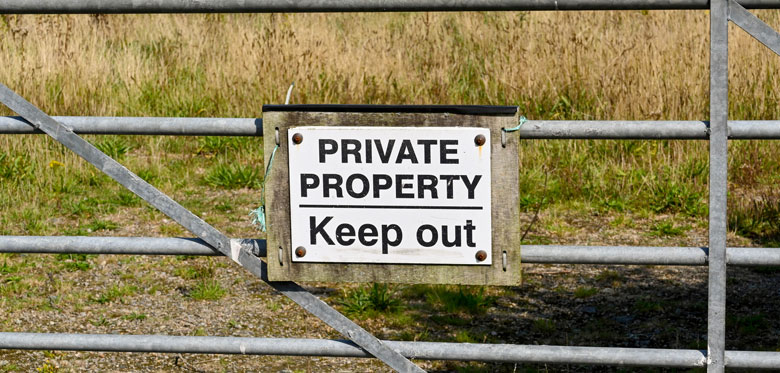
Restrictive covenants are legal obligations embedded in property deeds, designed to restrict certain uses or activities on a piece of land or property. Although originally intended to preserve the value and character of neighbourhoods, there are instances where these covenants become outdated, unduly restrictive, or irrelevant to modern living.
For property owners encountering such covenants, understanding the process of removing restrictive covenants from the land registry is crucial.
Understanding restrictive covenants and their impact
Restrictive covenants are contractual agreements placed within the title deeds of a property, limiting specific activities or developments. They commonly include restricting business use, prohibiting subletting, limiting structural alterations, or even controlling building heights. Such covenants can directly impact property value, marketability, and practical usage options for property owners.
It is critical for property owners to review their title deeds and the land registry documentation thoroughly. This enables clear identification of any covenants, their precise terms, and allows accurate assessment of their ongoing relevance.
Reasons for removing restrictive covenants from the land registry
There are numerous legitimate reasons property owners may wish to remove or modify restrictive covenants. Some covenants may have been imposed several decades ago and no longer fit contemporary property usage. For example, a covenant restricting commercial activity may no longer be valid where the local landscape is now business use.
Other reasons include:
- Restrictions that hinder realistic redevelopment projects.
- Covenants that conflict with local planning policies.
- Covenants which are no longer enforceable due to the loss or dissolution of the benefiting party or entity.
- Requirements that directly contradict modern building or environmental regulations.
Ultimately, the removal or modification of such covenants can greatly enhance the usability, value, and appeal of a property asset.
Legal grounds and methods for covenant removal
Removing restrictive covenants from the land registry requires a careful legal approach. One common route is seeking agreement directly from the beneficiaries of the covenant to formally discharge or modify the restrictive condition. This route can be straightforward provided all parties cooperate fully and agree in writing.
If obtaining agreement is not possible, property owners can apply to the Upper Tribunal (Lands Chamber) under section 84 of the Law of Property Act 1925. The tribunal can lift or modify covenants if certain conditions apply. These conditions include:
- The covenant is obsolete due to changes in the character or neighbourhood of the property.
- It obstructs reasonable and practical land use or redevelopment.
- The benefiting party has expressly or implicitly consented to its removal or modification through their conduct.
- The covenant provides no substantial benefit or value to the party enforcing it.
Several factors influence the tribunal’s decision, including evidence that the covenant has become outdated, or that the intended use of the property is reasonable and beneficial to the community.
The procedural steps involved for covenant removal
To remove restrictive covenants via the land registry and tribunals, property owners should first seek professional legal advice. A property solicitor can carry out an in-depth review of land registry documents, title deeds, and local planning regulation compliance.
The process typically involves:
- Identifying and contacting covenant beneficiaries to seek agreement.
- Preparing an application to the Upper Tribunal (Lands Chamber) if no agreement is forthcoming.
- Gathering robust evidence supporting the removal request, such as planning permissions, expert valuations, and details of how the covenant adversely affects the property.
- Submitting detailed legal arguments demonstrating the covenant's irrelevance or obsolescence.
Once the Upper Tribunal considers submissions provided, they will make a binding determination. If successful, the restrictive covenant's removal or variation will be formally recorded in the Land Registry's official documentation.
Importance of professional legal support
The process of removing restrictive covenants can be intricate and requires thorough understanding of property law and procedural standards. Engaging a qualified property solicitor with expertise in covenant removal will significantly simplify the process and increase the likelihood of a successful outcome.
Solicitor assistance ensures handling of each stage proficiently, from initial covenant identification to tribunal representation emphasising substantive arguments. Professional legal advice can deliver reassurance that the procedure complies entirely with legislation, maximising the potential to remove restrictive covenants successfully and efficiently. Contact us today on 0161 696 6178 to speak to our specialist solicitors.
Removing restrictive covenants from the land registry can significantly enhance both the value and usability of property assets. Understanding the step-by-step legal process, grounds for application, and procedural requirements is essential.
Comments