


Adverse possession, commonly known as 'squatters rights', is a legal principle under which a person may claim ownership of property belonging to someone else after continuously occupying that property for a set period of time. In England and Wales, this is typically twelve years for unregistered land, and ten years for registered land.
As a property owner, understanding how to prevent adverse possession claims against your property is critical. Acting proactively can save you significant legal difficulties and preserve your property rights.
Here we discuss practical steps you can take to effectively safeguard your property from adverse possession.
Clearly understand boundary lines
A common factor leading to adverse possession cases is the ambiguity concerning boundary lines. To stop adverse possession claims before they begin, ensure you have a clear and accurate understanding of your property's boundaries.
Having your boundaries properly surveyed and legally recorded can provide solid evidence against any adverse possession attempt. Regularly reviewing your boundaries can also help catch encroachments early, enabling prompt action.
Regularly inspect your property
Frequent property inspections are a straightforward preventative measure. Walking your property lines regularly allows you to promptly identify unauthorised use or encroachments. If anyone attempts to occupy or utilise your land, you can address the issue quickly before it escalates to an adverse possession claim.
Keep dated records of your inspections as evidence of your vigilance and active control over your property.
Implement clear boundary fencing and signage
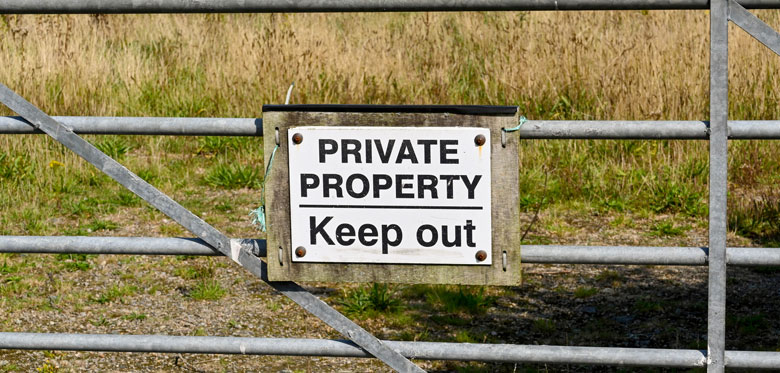
Erecting clear fencing and appropriate signage around your property is an effective method of deterring potential adverse possession claims. Physical boundaries clearly show your property is in active use and under your control.
Signs indicating ownership and prohibiting trespassing place potential occupiers on notice, serving as evidence of your property's ownership and reducing the risk of long-term encroachment.
Formalise written agreements and permissions
If someone is using your property with your permission, ensure this arrangement is formalised in writing and reviewed periodically. Written agreements stating that occupancy is temporary or permitted by the owner will counteract any future adverse possession claim.
Clear documentation ensures the occupier cannot later claim exclusive possession or intent to occupy the land adversely.
Seek prompt legal advice
If you suspect that your land is being adversely occupied, swift legal action is essential. Engaging professional legal advice early can prevent costly litigation and protect your property ownership.
A solicitor specialising in property law can advise you on appropriate actions, including formal notices, injunction applications, or court proceedings tailored specifically to your circumstances.
Maintain accurate property records
Keeping detailed records of property ownership, maintenance activities, correspondence, and any permits granted can be decisive evidence in preventing adverse possession claims. Thorough documentation will show continuous management and control, reinforcing your position and making it difficult for occupiers to prove uninterrupted adverse use.
Preventing adverse possession requires vigilance and proactive measures. By clearly defining boundaries, implementing secure measures, documenting agreements, and taking swift legal action when necessary, you can substantially reduce the risk and protect your property rights effectively. Contact our specialist solicitors today on 0161 696 6178 or by filling in the contact form.
Comments