


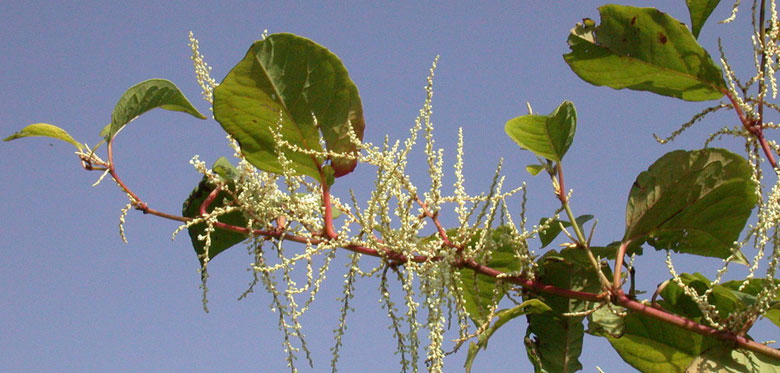
Japanese knotweed is a highly invasive species that has caused significant concern for homeowners throughout the United Kingdom. Its rapid spread and resilience in growth make it an urgent matter for any property owner considering selling their home.
The requirement to disclose information about Japanese knotweed when selling property is a critical obligation under English and Welsh law.
Understanding japanese knotweed and its risks
Japanese knotweed can cause substantial structural damage, impacting foundations, drainage systems, walls, and paving. Its aggressive nature and ability to penetrate concrete, brickwork and paving can, in a worst case scenario, pose serious risks to property infrastructure.
As a result, mortgage lenders often refuse lending if no treatment plan is in place, making it difficult for potential buyers to secure finance for affected properties.
Legal responsibility to declare japanese knotweed
In England and Wales, property sellers have a clear legal duty to disclose the presence of Japanese knotweed. The Law Society's Property Information Form (TA6) explicitly includes specific questions on the subject. Sellers are required by law to accurately declare if knotweed is known on or near the property.
Failure to disclose accurately and truthfully could result in legal proceedings and claims of misrepresentation, negligence or fraud from the buyer, placing the seller at risk of considerable financial liability.
How long is the declaration period when selling a house?
When selling property in England and Wales, there is no statutory timeframe limiting how far back you must declare Japanese knotweed. Instead, sellers must declare if there is any current or historical presence of Japanese knotweed, especially if treatment is ongoing or has previously been carried out. Transparency is encouraged, as information about any historical presence and treatment of knotweed can significantly impact property valuations and buyer confidence.
What the law says on disclosing japanese knotweed
Sellers must provide truthful and complete information about knotweed presence, including evidence of treatments and guarantees. The questions on the Sellers Property Information form change from time to time and it is vital that all questions are answered honestly and to your best believe.
Mortgage lenders frequently seek assurance through professional treatment plans that involve monitoring for several years, meaning declaring any knotweed incidents within this timeframe is strongly advised.
Consequences of failing to declare japanese knotweed
Failing to accurately declare Japanese knotweed can lead to serious repercussions. Buyers who discover undisclosed knotweed after purchasing a property can pursue claims for misrepresentation against the seller, leading to significant legal costs, damages payments, and potentially costly remedial works.
In summary
Given the substantial risks associated with Japanese knotweed, property sellers must disclose its presence transparently and accurately. Although there is no specific statutory timeframe, adhering to the guidance on historical disclosures and professional treatment evidence protects sellers from future liability and ensures a smoother transaction process.
If in doubt, seeking professional legal advice from an experienced conveyancing solicitor is advisable to avoid any costly legal challenges. Speak to our specialist solicitors today on 0161 696 6178 or by filling out the contact form.
Comments