


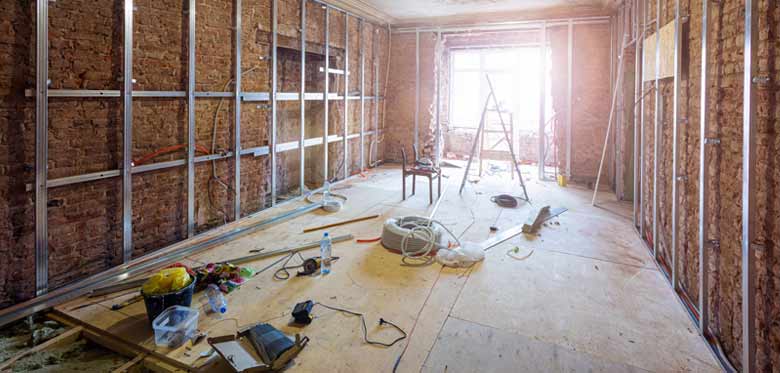
Living next door to prolonged construction work can significantly impact your quality of life. Unfortunately, cases where neighbours have ongoing building projects lasting several years are not uncommon in the UK.
If your neighbour has been doing building work for 3 years or more, you may be wondering about your legal rights and what steps you can take to resolve the situation.
Assessing the legal boundaries of neighbourly construction work
Under English and Welsh law, neighbours have certain rights regarding property development and improvements. Although property owners are generally entitled to carry out building work, it must comply with legislation around planning permission, building regulations, and noise control.
If your neighbour is undertaking substantial building work, it is important to ascertain whether they have obtained required council permissions and are adhering to relevant laws governing the duration and nature of construction activities.
The importance of planning permission and building regulations
If your neighbour has been carrying out building work continuously for 3 years, you should first confirm whether proper planning permission has been obtained. Most substantial construction projects and extensions require planning permission from local authorities, ensuring that developments meet certain standards relating to height, size, design and impact on surrounding properties.
Additionally, compliance with building regulations, enforced by local councils, ensures that work meets safety and structural standards. If your neighbour is carrying out unauthorised building work, the local council may intervene and issue notices requiring them to cease, correct or remove unauthorised structures.
Nuisance caused by prolonged building works
Construction often results in noise, dust, vibration, obstruction and general loss of amenity, potentially constituting a statutory nuisance under English and Welsh law. If your neighbour's building work negatively affects your enjoyment of your property, local councils have discretionary powers to take enforcement action against construction nuisances.
You may consider reporting the situation to your local authority's environmental health department. If the neighbour's building activities are deemed excessive, persistent or unreasonable, the council can serve formal notices compelling your neighbour to limit or cease nuisance-causing activities.
You should also take legal advice on if the works constitute a private nuisance. If the court is convinced that a private nuisance is taking place it has the power to grant an injunction setting out how the works may continue.
Considering mediation and legal remedies
Before embarking on any legal action, it is advisable to attempt informal resolution via direct conversation or mediation. A constructive discussion or mediation session can assist both parties in achieving an agreeable resolution without recourse to court proceedings. However, if disputes persist, seeking advice from a solicitor experienced in neighbour disputes is recommended.
Solicitors can advise on the merits of your case and possible remedies, including obtaining an injunction to stop unauthorised or excessively disruptive building activities or claiming compensation if you have suffered significant loss or damage.
Protecting your rights during prolonged neighbourly building work
If your neighbour has been continuously undertaking building work for a significant time, understanding your legal rights and remedies is crucial to resolving any disputes effectively. Ensuring neighbours adhere to planning requirements, building regulations and nuisance law can significantly improve your living environment.
If negotiations fail, seeking tailored advice from a legal professional can help you take decisive action to protect your property rights and maintain your quality of life. Contact us today on 0161 696 6178 or fill in our online enquiry form.
Comments