


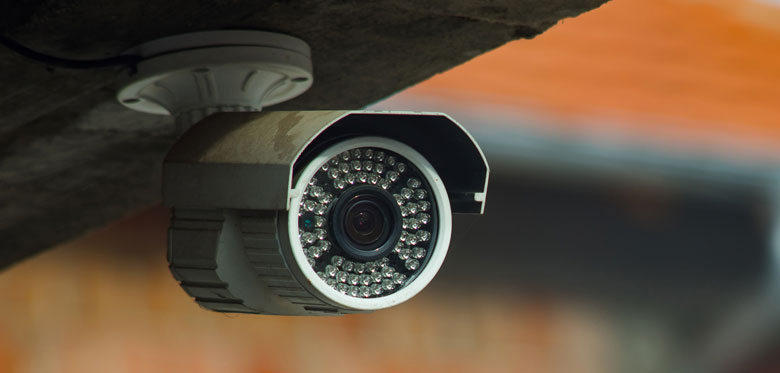
In today’s increasingly digital world, surveillance in the workplace is becoming more common. Employers often use CCTV and other recording devices for security, monitoring, and productivity purposes. However, the use of cameras in the workplace can raise significant concerns for employees surrounding privacy, consent, and the legal limits of surveillance. At Stephensons, we understand that employees need to be fully informed of their rights when it comes to camera use in the workplace. This guide provides a detailed overview of your legal protections under UK employment law.
The legal framework governing workplace surveillance
The use of cameras in the workplace is governed primarily by the Data Protection Act 2018 and the UK General Data Protection Regulation (UK GDPR). These laws require that any personal data collected – including video footage – must be processed lawfully, fairly, and transparently. This means that employers cannot install cameras indiscriminately or without informing staff. Additionally, the Human Rights Act 1998 may be engaged through Article 8, which protects your right to a private and family life, including in the workplace.
Employers must also consider guidance provided by the Information Commissioner’s Office (ICO), which oversees data protection matters. The ICO’s Employment Practices Code outlines how employers can monitor staff lawfully and proportionately. Ignoring this guidance can result in regulatory action and possible claims from affected employees.
When camera use is considered lawful
Camera surveillance in the workplace can be lawful if it meets certain criteria. Firstly, the employer must have a legitimate interest in monitoring – such as to ensure health and safety, prevent theft, or protect business interests. However, this does not provide a free pass to record employees without checks and balances. Monitoring must be proportionate, necessary, and the least intrusive means available for achieving the stated objective.
Before implementing camera surveillance, employers should conduct a Data Protection Impact Assessment (DPIA) to evaluate the potential impact on employee privacy. This assessment must weigh the intended benefits against the risks to individual rights and freedoms. If the same result can be achieved through less invasive means, such as increased managerial supervision, then camera use might be unjustified.
The requirement for transparency and communication
Transparency is a cornerstone of lawful camera surveillance. Employers are legally obliged to inform employees about the presence of cameras, the reasons for their use, how the data will be used, and how long it will be retained. This information should usually be communicated through privacy notices or a staff handbook, and warning signs should be clearly displayed in monitored areas.
Secret or covert surveillance is rarely justified and is subject to even stricter conditions. It should only be used in exceptional circumstances – such as where criminal activity is suspected and prior notice would compromise an investigation. Even then, the intrusion must be strictly limited in time and scope.
Areas where camera use is typically prohibited
There are certain areas in the workplace where camera surveillance is generally considered unacceptable due to the high expectation of privacy. These include:
- Toilets and changing rooms
- Prayer rooms
- Break areas used for personal time
Filming in these spaces is likely to breach Article 8 rights as well as data protection legislation. If you believe that cameras are being used inappropriately in such areas, you may have grounds to raise a complaint or pursue a legal claim.
Consent and workplace monitoring
Consent is not usually a lawful basis for workplace monitoring under the UK GDPR because of the power imbalance between employers and employees. Instead, employers must rely on other lawful bases such as “legitimate interests”. However, employees still retain their right to be properly informed, and if you feel the surveillance has been implemented without notice or clear justification, you may be entitled to challenge it.
It is also important to note that employers cannot discipline or dismiss an employee solely for objecting to unlawful surveillance. Any such action could give rise to an unfair dismissal or victimisation claim.
Audio monitoring and increased intrusiveness
In addition to video surveillance, some employers may consider audio recording conversations. This form of surveillance is usually considered more intrusive and is subject to heightened scrutiny. Audio monitoring should only be used where absolutely necessary and appropriate safeguards must be in place. For example, it may be permissible in high-security environments or call centres for quality assurance, but only if staff are clearly informed and consented where appropriate.
Recording private conversations without knowledge or consent is likely to be unlawful unless there is a compelling justification and no reasonable alternative. A failure to justify the proportionality of such monitoring could expose the employer to claims for breach of privacy and data misuse.
How long can your employer store the footage?
Employers must not retain footage for longer than necessary. The specific retention period should be set out clearly in the company’s data retention policy. In most cases, CCTV footage should not be kept for more than 30 days, unless a longer period is justified for legal or investigatory reasons.
Employees have the right to request access to any personal data held about them, including video recordings. This is known as a subject access request (SAR). Once received, employers have one month to provide the footage unless the request is complex. If footage is deleted or withheld without adequate justification, employees may escalate the matter to the ICO or seek legal advice.
What to do if you suspect unlawful surveillance
If you suspect that your employer is using cameras unlawfully or without adequate justification, it is important to raise your concerns through the appropriate internal channels. This could be via your line manager, HR department, or a formal grievance procedure. You should document your concerns and any discussions or responses received.
If your concerns are not resolved internally, you may decide to lodge a complaint with the Information Commissioner’s Office or seek legal advice. Stephensons can support you in evaluating your options, assessing whether your rights have been infringed, and advocating on your behalf through any necessary legal process.
Cameras used for performance monitoring
More frequently, employers are using cameras to monitor employee productivity and performance. While this may be framed as a tool for assessing standards or safety, it carries a significant risk of infringing on privacy rights. Employers must be careful not to overstep, particularly where monitoring becomes excessive or targeted.
Performance monitoring via surveillance should be clearly outlined in employment contracts or policies. There must be transparency about how the footage is used – for example, whether it influences performance reviews or disciplinary actions. Any ambiguity may result in legal exposure for the employer and uncertainty for employees.
Unionised workplaces and consultation obligations
In unionised environments or workplaces with employee representation, there may be additional obligations to consult with staff prior to introducing or expanding surveillance. Failing to engage in proper dialogue with trade unions can amount to a breach of collective bargaining agreements or result in industrial disputes. Stephensons advises both union and non-union employees on their rights during these consultations.
Taking legal action for breach of surveillance rights
If you believe your employer has breached your workplace privacy rights through unlawful use of cameras, you may have grounds for a legal claim. Depending on the circumstances, this could include:
- A claim for breach of the Data Protection Act 2018
- A claim under the Human Rights Act for violation of Article 8
- Unfair dismissal or constructive dismissal if surveillance led to or contributed to your departure
- Discrimination or victimisation if certain groups are disproportionately targeted
Stephensons can advise you on the strengths of your case, the potential remedies available, and the most appropriate course of action. Remedies can include compensation, reinstatement, or orders requiring your employer to change their practices.
How Stephensons can help
Our employment lawyers have extensive experience assisting individuals in matters involving workplace surveillance, CCTV usage, and breaches of privacy rights. We understand both the legal complexities and personal sensitivities involved. Whether you're seeking to understand your rights, make a subject access request, or pursue compensation, our team can provide the legal clarity and representation you need.
Need further advice?
If you are concerned about how cameras are being used in your workplace or if you believe your rights have been violated, speak to one of our specialist employment solicitors today. Call Stephensons on 0161 696 6170 or fill in our enquiry form.
Comments