


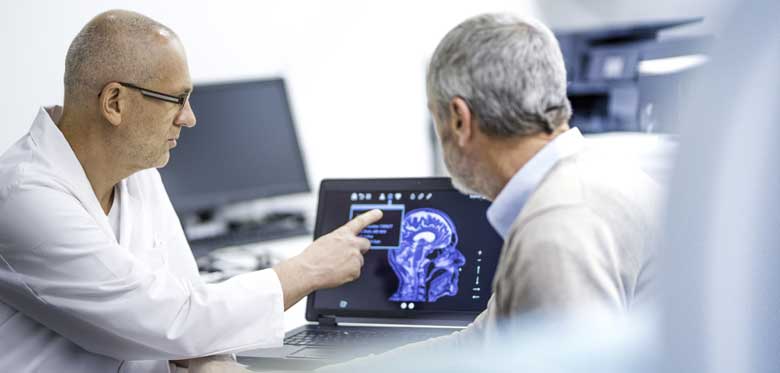
Proving medical negligence in a brain injury case requires specialist legal knowledge and a clear understanding of the medical complexities involved. At Stephensons, our experienced team recognises the severe impact a brain injury can have on individuals and their families. Demonstrating negligence involves several key legal principles and steps. This guide will help you understand the legal criteria, key factors and processes necessary to successfully establish medical negligence in a brain injury case.
What is medical negligence in brain injury cases?
Medical negligence occurs when a healthcare professional fails in their duty to provide a reasonable standard of medical care, directly resulting in harm or injury to a patient. In cases involving brain injury, negligence can arise from errors during surgery, delayed diagnosis, incorrect treatment or inadequate aftercare. Proving this negligence requires more than showing that an injury occurred; it involves demonstrating a clear breach of duty of care and establishing that this breach directly caused the brain injury sustained.
Establishing a duty of care was owed
The first step in proving negligence is demonstrating that a medical professional had a legal duty to care for the patient. This duty typically exists whenever healthcare professionals—such as surgeons, doctors, anaesthetists or nurses—agree to treat a patient, creating a formal patient-doctor relationship. Establishing this aspect is usually straightforward, as medical professionals clearly owe their patients a duty to act competently and responsibly.
If a brain injury occurred due to negligent care provided by a healthcare professional, Stephensons can help you confirm the existence of this duty using medical records, referral documentation and appointment histories.
Demonstrating breach of the duty of care
Once the duty of care has been established, the next step is to demonstrate that the healthcare provider breached this duty. In other words, you must show that the medical professional failed to meet the required standard of care expected in their specialist field. This standard refers to the level of care and skill that a competent medical practitioner with similar training and experience would provide under comparable circumstances.
Failing to follow correct medical procedures, overlooking clear symptoms or not adhering to recommended clinical guidelines can demonstrate breach of duty. Expert medical opinion often plays a critical role in establishing whether the healthcare provider's actions or omissions fell below acceptable standards.
Proving causation: connecting negligence to the injury
The third significant element required in proving medical negligence is causation. Causation is proving a direct link between the healthcare professional's breach of duty and the patient's brain injury. To succeed in a claim, evidence must clearly indicate that your injury was directly caused or substantially worsened by the negligence of the medical professional or medical team involved.
Establishing causation often proves complex in brain injury cases due to the sensitive and intricate nature of neurological conditions. Accurate and comprehensive medical records, diagnostic imaging, expert neurological reports and testimony from medical specialists are critical in demonstrating this connection. At Stephensons, we draw upon reputable medical experts and specialists to provide robust evidence connecting negligence to the subsequent harm.
Gathering and analysing medical evidence
Comprehensive medical documentation and evidence form the backbone of successfully proving negligence in brain injury cases. Medical records detailing diagnosis, treatment plans, surgical procedures, medication, consultations and aftercare are critical for outlining the timeline and actions of the healthcare provider.
Stephensons will seek medical opinions from expert witnesses to substantiate your claim. Expert witnesses may include neurologists, neurosurgeons, anaesthetic consultants, neuropsychologists and rehabilitation experts. Their professional opinions help determine whether the standard of care was breached, if this breach was the direct cause of your injury, and what the long-term impact will be on your quality of life.
Understanding the extent of injury and losses sustained
Brain injuries are complex and typically have lifelong implications. It is therefore crucial to accurately evaluate the severity and long-term effects of the injury. This assessment helps calculate financial compensation that accurately covers your needs, such as ongoing medical treatment, rehabilitation, care costs, loss of earnings and reduced future earning capacity.
The evaluation process typically involves detailed assessment by medical specialists, including neurologists, occupational therapists, and rehabilitation professionals. Stephensons can guide you carefully through this process, ensuring you receive thorough assessments and that nothing is overlooked when it comes to obtaining fair compensation.
Time limits for medical negligence claims
Under UK law, time limits are in place for making medical negligence claims. Generally, claims must be made within three years of the incident date or 3 years from the date you first became aware of the negligence or harm you experienced. If a child sustains a brain injury, the three-year limitation period begins when they turn 18, giving them until their 21st birthday to pursue a claim. If the person lacks mental capacity, then the time limit is unlikley to apply.
Due to these strict limitation periods, it is crucial to consult a specialist solicitor as early as possible to ensure rights to pursue a claim are not lost. Our team at Stephensons understands the importance of acting swiftly and efficiently to protect your interests.
Why choose Stephensons to handle your brain injury negligence claim?
Stephensons Solicitors LLP has a dedicated team of experienced medical negligence solicitors specialising in brain injury claims. With years of expertise handling highly complex and serious clinical negligence cases, we fully appreciate the sensitive nature involved and the importance of a thorough, compassionate and proactive approach.
We have developed longstanding relationships with leading medical experts who provide reliable and detailed evidence to support your claim. Our solicitors will guide you clearly through every step of the claim process—explaining your options, keeping you informed and managing the legal complexities on your behalf, so you can focus on recovery and rehabilitation.
If you believe you or your loved one has suffered a brain injury due to medical negligence, contact Stephensons today on 0161 696 6165. Our dedicated team is ready to listen, offer initial support and guidance, and discuss how we can help you secure the compensation and justice you deserve.
Comments