


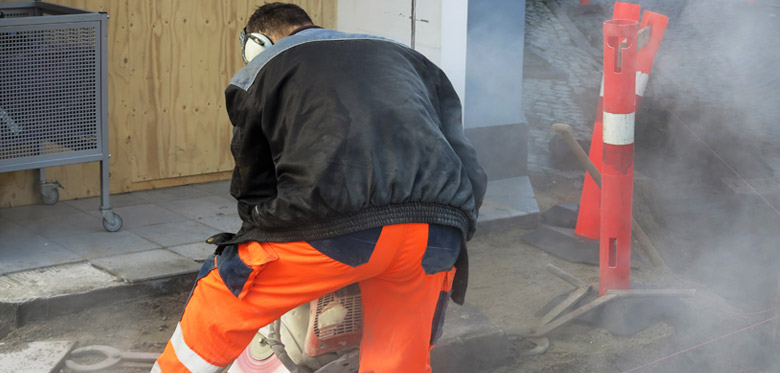
For many tradespeople, working with stone, quartz and other construction materials is all part of the job. But growing awareness of silicosis, a serious and irreversible lung disease caused by breathing in silica dust, has raised concerns about the long-term health risks facing thousands of workers across the UK.
Recent reports have highlighted increasing numbers of cases among stonemasons, kitchen fitters, countertop manufacturers and other workers who regularly cut, grind or polish materials containing silica. For many, symptoms can take years to develop, meaning individuals may be unaware that damage to their lungs has already occurred.
What is silicosis?
Silicosis is a lung disease caused by inhaling respirable crystalline silica (RCS), an extremely fine dust released when materials such as stone, granite, quartz, sandstone, concrete and tiles are cut, drilled or polished.
Once inhaled, the tiny particles can become lodged deep within the lungs, causing inflammation and scarring. Over time, this scarring can reduce lung function, making it increasingly difficult to breathe.
Silicosis is a progressive disease, meaning it can continue to worsen even after exposure to silica dust has stopped. There is currently no cure, although treatment may help manage symptoms and improve quality of life.
Who is most at risk?
While silicosis has traditionally been associated with quarry and mining workers, concerns are growing about exposure in other industries, particularly those involving engineered stone and quartz worktops.
Workers who may be at risk include:
- Stonemasons
- Kitchen fitters
- Worktop fabricators and installers
- Construction workers
- Builders and labourers
- Tilers
- Demolition workers
- Concrete cutting and drilling operatives
- Road and paving contractors
Engineered stone products, often used for kitchen worktops, can contain very high levels of crystalline silica. Cutting and shaping these materials without adequate dust control measures can expose workers to significant levels of harmful dust.
What are the symptoms of silicosis?
One of the challenges with silicosis is that symptoms may not appear until years after exposure.
Common symptoms include:
- Persistent cough
- Shortness of breath
- Wheezing
- Chest tightness
- Fatigue
- Reduced exercise tolerance
As the condition progresses, symptoms can become more severe, potentially affecting an individual's ability to work and carry out everyday activities.
Exposure to silica dust has also been linked to other serious health conditions, including chronic obstructive pulmonary disease (COPD), lung cancer and kidney disease.
Why are concerns increasing?
Health experts and regulators have been warning about the risks associated with silica dust for many years, but increasing use of engineered stone products has brought renewed attention to the issue.
Workers may be exposed during routine activities such as cutting worktops, dry grinding, polishing or drilling stone materials. Where effective dust suppression systems, extraction equipment and respiratory protection are not used, significant exposure can occur.
Many affected workers report spending years carrying out these tasks before experiencing symptoms, by which time permanent damage may already have been caused.
What should you do if you think you may be affected?
If you have worked with stone, quartz, concrete or similar materials and are experiencing respiratory symptoms, it is important to seek medical advice as soon as possible.
You should consider:
- Speaking to your GP about your symptoms and work history
- Requesting appropriate respiratory investigations if recommended
- Keeping records of your employment and exposure history
- Reporting concerns to your employer if you are still working in the industry
- Seeking legal advice if you believe your illness may have been caused by workplace exposure
Employers have a legal duty to protect workers from hazardous substances, including silica dust. This may include carrying out risk assessments, implementing dust control measures, providing suitable respiratory protective equipment and ensuring staff receive appropriate training.
Can you claim compensation for silicosis?
Where an employer has failed to take reasonable steps to protect workers from harmful silica dust exposure, it may be possible to pursue a compensation claim.
Compensation can help cover:
- Pain and suffering
- Loss of earnings
- Medical expenses
- Care and assistance needs
- Future financial losses where work is no longer possible
Each case will depend on its individual circumstances, but legal advice can help establish whether an employer may have breached their duty of care.
How Stephensons can help
At Stephensons, our specialist personal injury solicitors have experience supporting individuals who have developed serious health conditions as a result of workplace exposure to harmful substances.
If you have been diagnosed with silicosis, or are concerned that your respiratory symptoms may be linked to your working environment, our team can provide expert advice on your legal options and whether you may be entitled to compensation.
To speak to a member of our personal injury team, contact Stephensons today on 0161 696 6235 for a confidential discussion.
Comments